AI is now the default, and it has moved from drafting to thinking
Adoption has crossed from novelty to infrastructure. ActivTrak's 2026 State of the Workplace report found that 80 percent of employees now use AI tools, up from 53 percent just two years earlier, with time spent in those tools rising eightfold. The nature of that use has shifted too. The first wave of workplace AI was about generating emails, summaries, and documents. The current wave is cognitive. Microsoft's 2026 Work Trend Index, drawing on telemetry from Microsoft 365 Copilot and a survey of 20,000 AI users across 10 countries, reports that 49 percent of Copilot interactions now support cognitive work such as analysis and creative thinking, and that 58 percent of AI users say they are producing work they could not have a year ago. Importantly, people still own the judgment: 86 percent treat AI output as a starting point, not a final answer.
That distinction matters for how space gets used. When AI handles the first draft and the human refines, evaluates, and decides, the work that remains is precisely the kind that benefits from discussion, review, and shared thinking.
The surprise finding: AI users are more social, not less

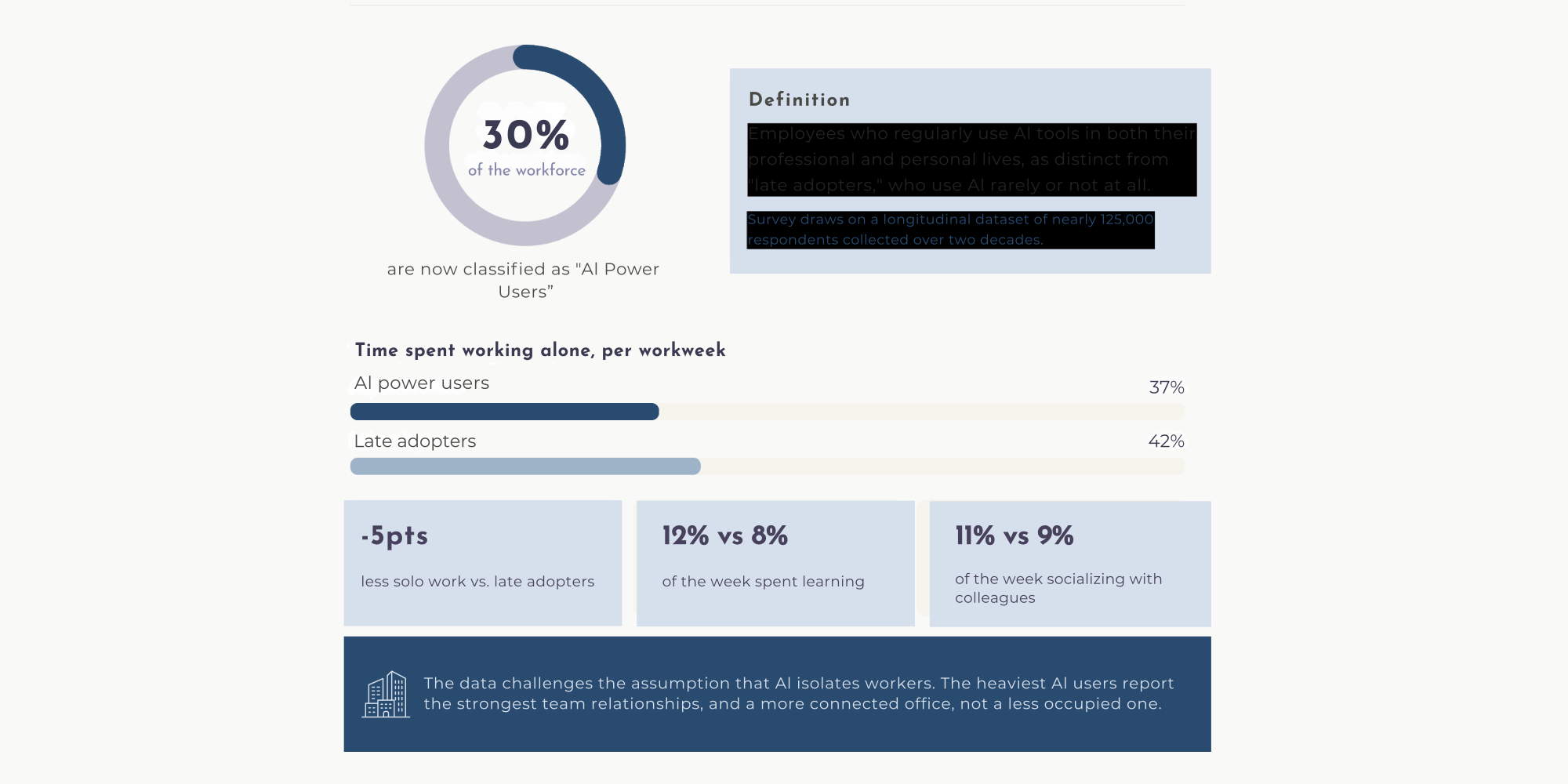
Here is the result that reshapes the entire conversation. According to Gensler's 2026 Global Workplace Survey, which gathered responses from more than 16,400 office workers across 16 countries and draws on a longitudinal dataset of nearly 125,000 respondents collected over two decades, the employees most deeply embedded in AI workflows are also the most collaborative and the most present in the office. These "AI power users," now roughly 30 percent of the workforce, spend less time working alone, about 37 percent of their week, compared to 42 percent for late adopters, and report stronger team relationships. As one industry analysis put it, AI is not eliminating the need for offices. It is changing what offices need to provide.
AI has moved into the conversation itself
The deepest shift is in how AI is used. The old assumption was solo querying: someone sits alone, runs a query, gets an answer, then carries it into a meeting. What is happening instead is that AI is increasingly used live, during collaboration, as part of the conversation. Gensler's research describes teams becoming more agile at using AI to keep discussion flowing, enabling deeper dialogue without breaking the flow to do research later. The design consequence is blunt. Spaces built around the old model, individuals at quiet workstations who occasionally gather in conference rooms, are poorly suited to this fluid, AI-assisted way of working.
The office is literally becoming louder
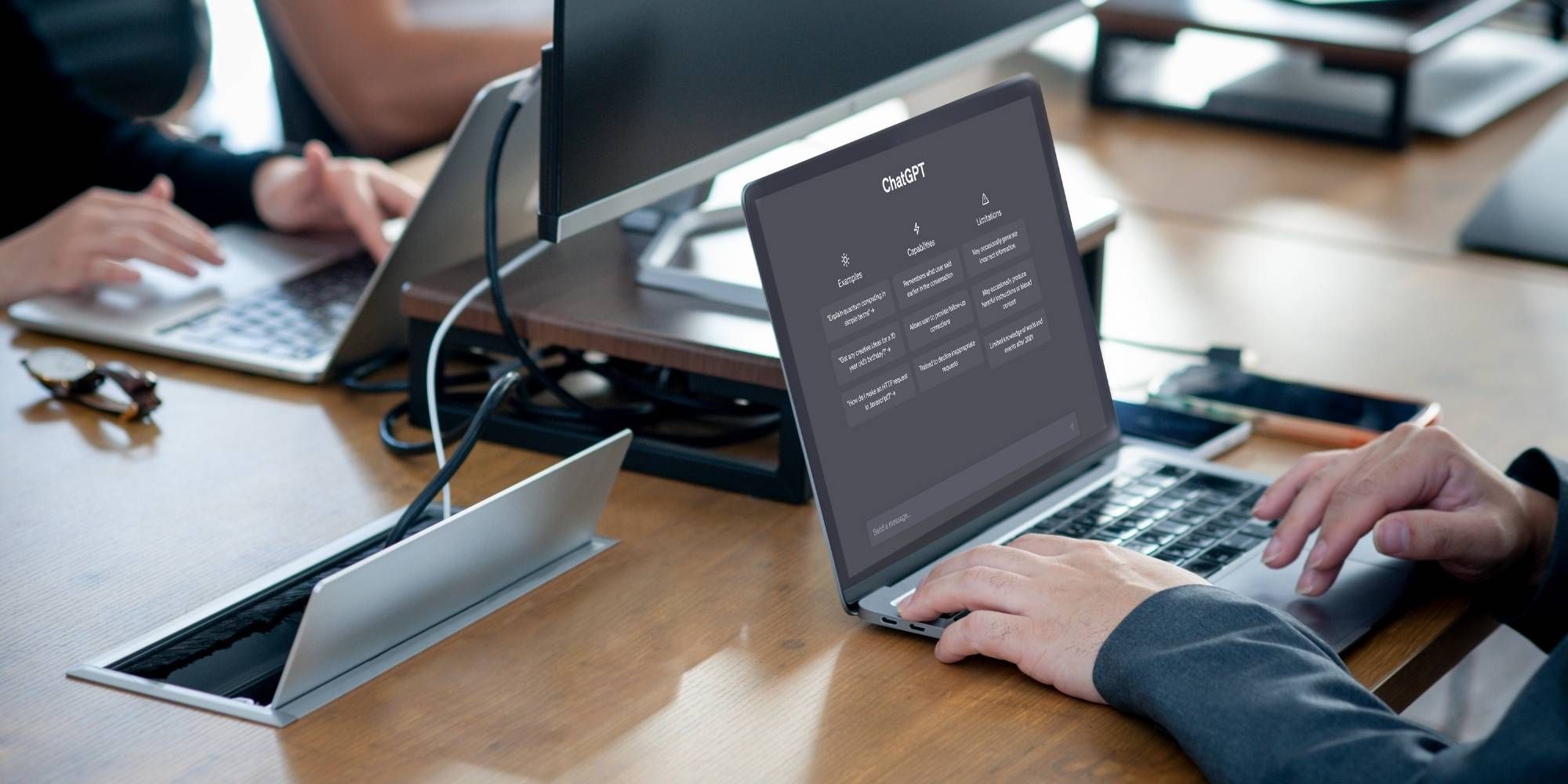
Voice and dictation tools have turned spoken input into a daily workflow. Industry reporting through 2026 describes workers generating emails, code, and documents by talking rather than typing, with continuous voice input replacing short bursts of keystrokes. The result in open-plan settings is overlapping conversations across desks and a measurable rise in ambient speech, pushing employees toward noise-cancelling headphones and informal desk spacing as stopgaps. A spoken-first workplace is, by definition, a noisier one.
Focus is eroding even as output climbs
The tension between collaboration and concentration is sharpening. ActivTrak's 2026 data found that focus efficiency, the share of time spent in uninterrupted concentration, fell to 60 percent, a three-year low, while the average focus session shrank to just over 13 minutes. Over the same period, collaboration activity surged 34 percent and multitasking rose 12 percent. The researchers are careful about cause, noting AI may be absorbing cognitive load or simply adding more frequent attention shifts. The direction, however, is unambiguous: output is rising while the conditions that protect deep work are eroding.
It follows that acoustic design now ranks among the most cited workplace priorities for 2026, with poor acoustics repeatedly named the top complaint in open environments. Gensler also found a telling gap between need and reality, reporting that two-thirds of workers frequently improvise fixes to compensate for design shortcomings.
The AI office is dynamic in a way that static acoustics cannot serve. A zone hums with AI-assisted brainstorming at ten, then needs heads-down quiet by two. Notably, buildings themselves are already getting smarter, with sensor-driven systems adjusting lighting and climate by occupancy in real time. Acoustics should be just as responsive.
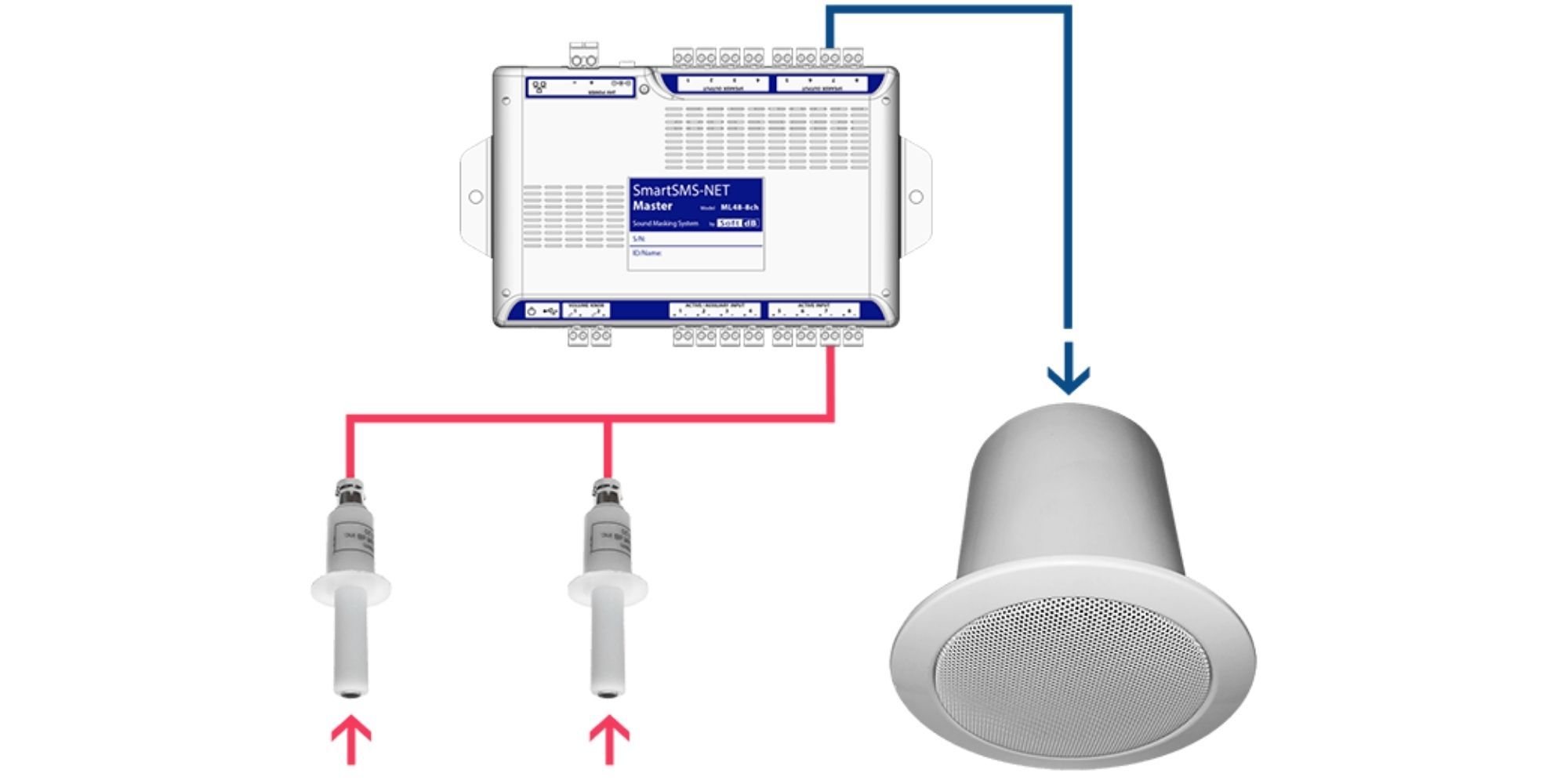
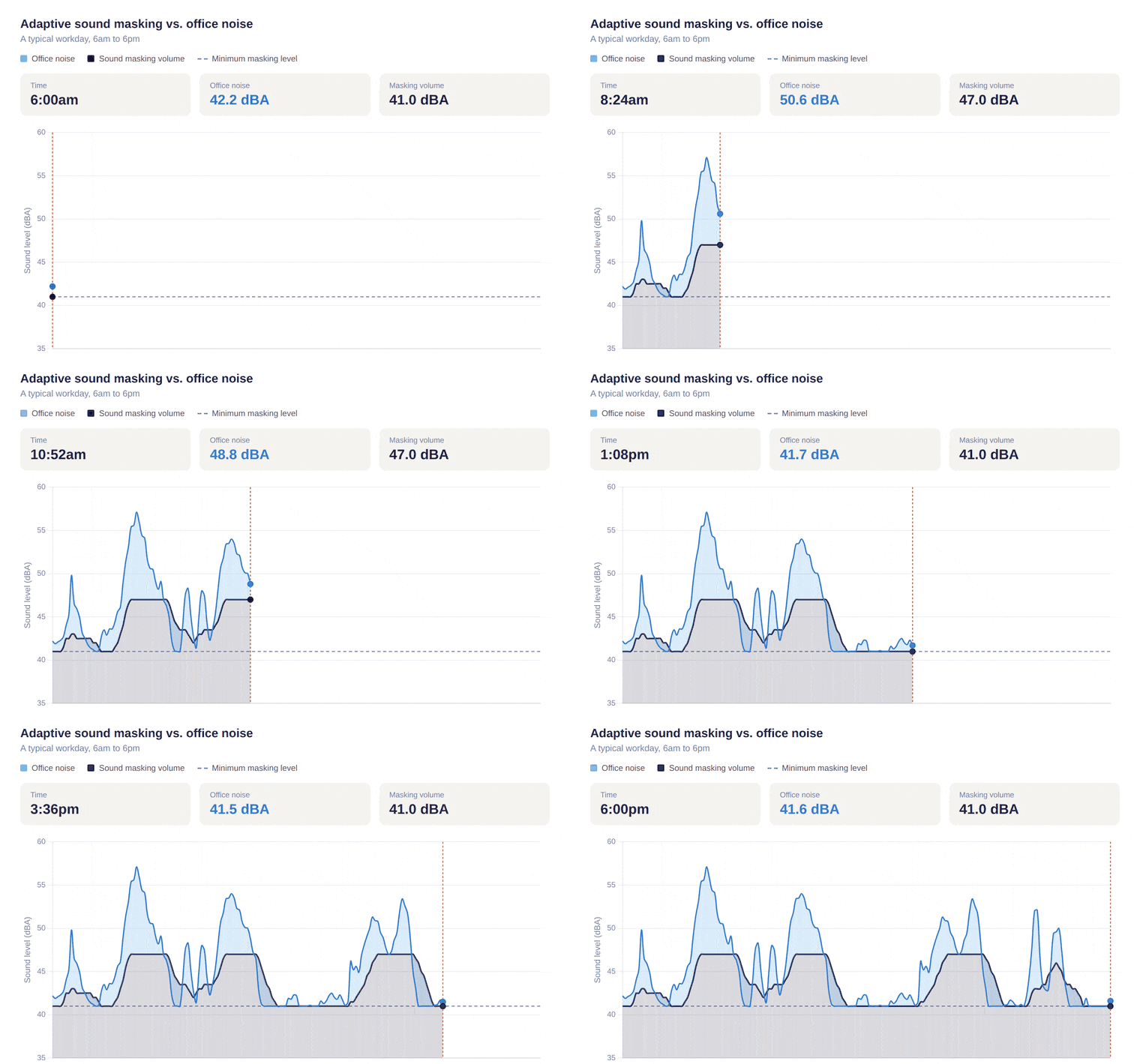
This is where Adaptive Sound Masking earns its place. Systems that use sensors to read occupancy and ambient conditions can tune the masking spectrum by zone and time of day, raising the background sound floor just enough to protect speech privacy and concentration without flattening the energy of collaboration. At Soft dB, we see adaptive control not as an add-on, but as the acoustic layer the AI-era office has been waiting for.
Sources
Gensler Research Institute, Global Workplace Survey 2026. Survey of 16,459 full-time office workers across 16 countries, conducted July 22 to September 12, 2025, building on a longitudinal dataset of nearly 125,000 respondents. gensler.com/gri/global-workplace-survey-2026, March 10, 2026.
ActivTrak Productivity Lab, 2026 State of the Workplace: The Amplified Workplace. Analysis of more than 443 million work hours across 1,111 companies and 163,638 employees, January 1, 2023 to December 31, 2025, released March 11, 2026. activtrak.com/blog/2026-state-of-the-workplace
Microsoft, 2026 Work Trend Index Annual Report, released May 5, 2026. Based on trillions of anonymized Microsoft 365 productivity signals and a survey of 20,000 AI users across 10 countries (conducted by Edelman Data x Intelligence). microsoft.com/worklab/work-trend-index